The Importance of Responsible Use of Prescription Pain Medicine: Strategies for Patients
Prescription pain medicine can be a vital part of recovery after surgery, injury, or chronic pain conditions. However, it must be used safely, thoughtfully, and in partnership with a healthcare professional. Misuse—even when accidental—can lead to dependence, overdose, or long-term complications. This guide explores why responsible use matters and offers practical strategies for patients seeking safe and effective prescription pain management.
Why Responsible Use of Prescription Pain Medicine Matters
Prescription pain medicines, especially opioids, are powerful tools for managing moderate to severe pain. While they offer significant relief, they also carry risks. Responsible use protects your health, prevents misuse, and ensures these medications remain effective when truly needed.
- Reduces risk of addiction or dependence.
- Helps prevent accidental overdose.
- Supports long-term pain management goals.
- Improves safety for household members by preventing diversion.
- Allows healthier recovery and reduces medication tolerance.
Types of Prescription Pain Medicine
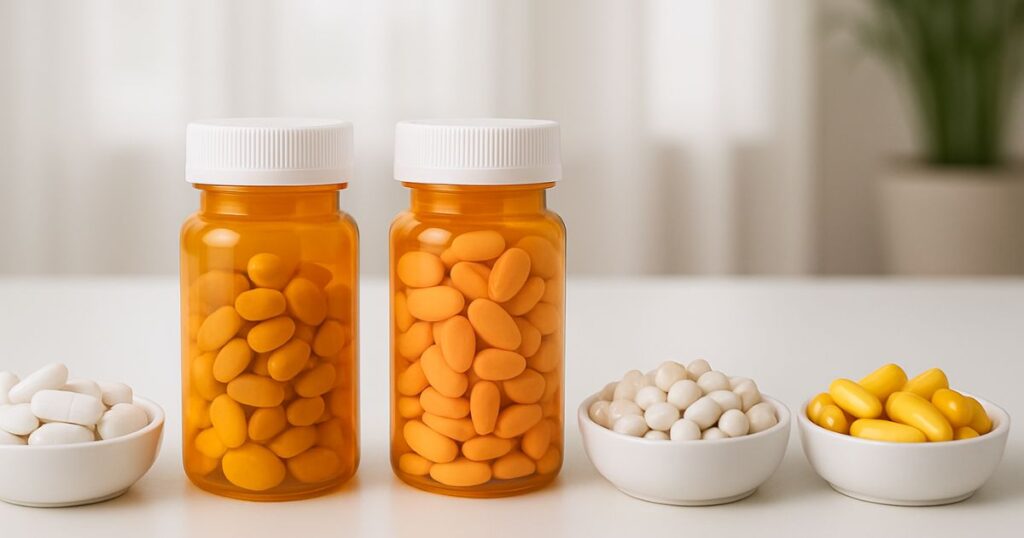
Understanding your medication helps you follow safe use practices. The most common categories include:
1. Opioid Pain Relievers
- Examples: oxycodone, hydrocodone, morphine, tramadol.
- Highly effective for short-term severe pain.
- Carry a higher risk of dependence and misuse.
2. Non-Opioid Pain Medicines
- Examples: acetaminophen, NSAIDs (ibuprofen, naproxen).
- Helpful for moderate pain and often paired with opioids.
- Lower dependency risks but still require proper dosing.
3. Adjuvant Pain Treatments
- Examples: antidepressants, anticonvulsants, muscle relaxants.
- Useful for nerve pain or chronic conditions.
- Often part of a multimodal pain management plan.
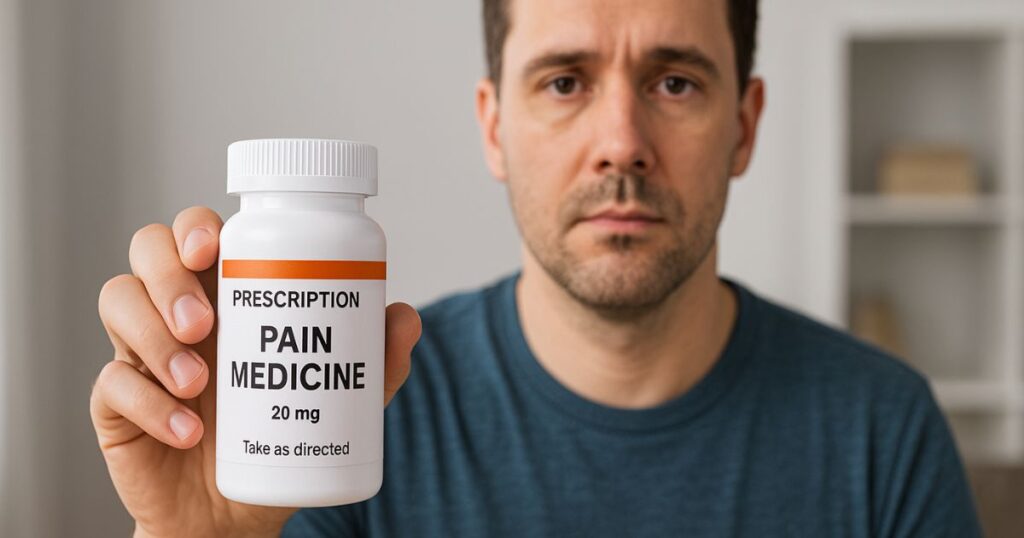
Regardless of type, prescription pain medicine should always be taken exactly as directed.
Strategies for Responsible Pain Medicine Use
These practical steps help ensure safe and effective pain relief while reducing risks.
Follow the Prescribed Dose and Schedule
- Never take more than prescribed, even if pain feels intense.
- Avoid doubling doses if you miss one—speak with your clinician for guidance.
Use the Lowest Effective Dose
- Ask if you can start with a smaller dose and increase only if necessary.
- Discuss tapering when your pain begins to improve.
Avoid Alcohol and Sedating Substances
- Combining opioids with alcohol or sleep medicines increases overdose risk.
- Discuss any supplements or recreational substances with your doctor.
Store Medicine Safely
- Keep prescription pain medicine in a secure, locked location.
- Never share your medication with others.
- Dispose of unused medicine through take-back programs.
Monitor Your Pain and Side Effects
- Track how well the medication helps and how long pain relief lasts.
- Notify your clinician if you experience dizziness, confusion, or slowed breathing.
Explore Non-Medicine Pain Relief Options
- Physical therapy, heat/cold therapy, stretching, and breathing exercises.
- Integrative options like acupuncture or massage (if approved by your clinician).
Using both medication and non-medicine strategies can improve outcomes and reduce reliance on prescription pain medicine.
Signs You Should Contact Your Healthcare Provider
If you experience any of the following, reach out for medical advice right away:
- Medication isn’t improving your pain.
- You experience severe side effects.
- You feel you may be developing tolerance or dependence.
- You have difficulty stopping or reducing your dose.
Frequently Asked Questions
How long should I take prescription pain medicine?
Most patients use prescription pain medication for a short period, typically after injury or surgery. Your clinician will guide you on tapering and long-term alternatives if needed.
Can I take over-the-counter pain relievers with my prescription?
Sometimes yes, but only under medical supervision. Certain combinations—like NSAIDs with other NSAIDs—can be harmful. Always confirm with your doctor first.
What should I do if I feel my medication isn’t working?
Do not increase your dose on your own. Pain that doesn’t improve may indicate the need for a different medication or a multimodal treatment plan.
How do I safely dispose of unused prescription pain medicine?
Use official drug take-back programs, drop box locations, or pharmacy disposal systems. Avoid flushing unless specifically advised.
Can prescription pain medicine become addictive?
Opioids carry a known dependence risk, especially with long-term or high-dose use. Responsible use, monitoring, and communication with your clinician significantly reduce this risk.
Final Thoughts: Your Role in Safe Pain Management
Responsible use of prescription pain medicine empowers patients to manage pain safely while reducing risks. Working closely with your healthcare team, following dosing guidelines, and exploring non-medication options can lead to better outcomes and a healthier recovery.
If you have concerns about pain medication or want guidance on safer strategies, speak with a licensed clinician. Your safety, comfort, and long-term health should always come first.